Montessori Principles


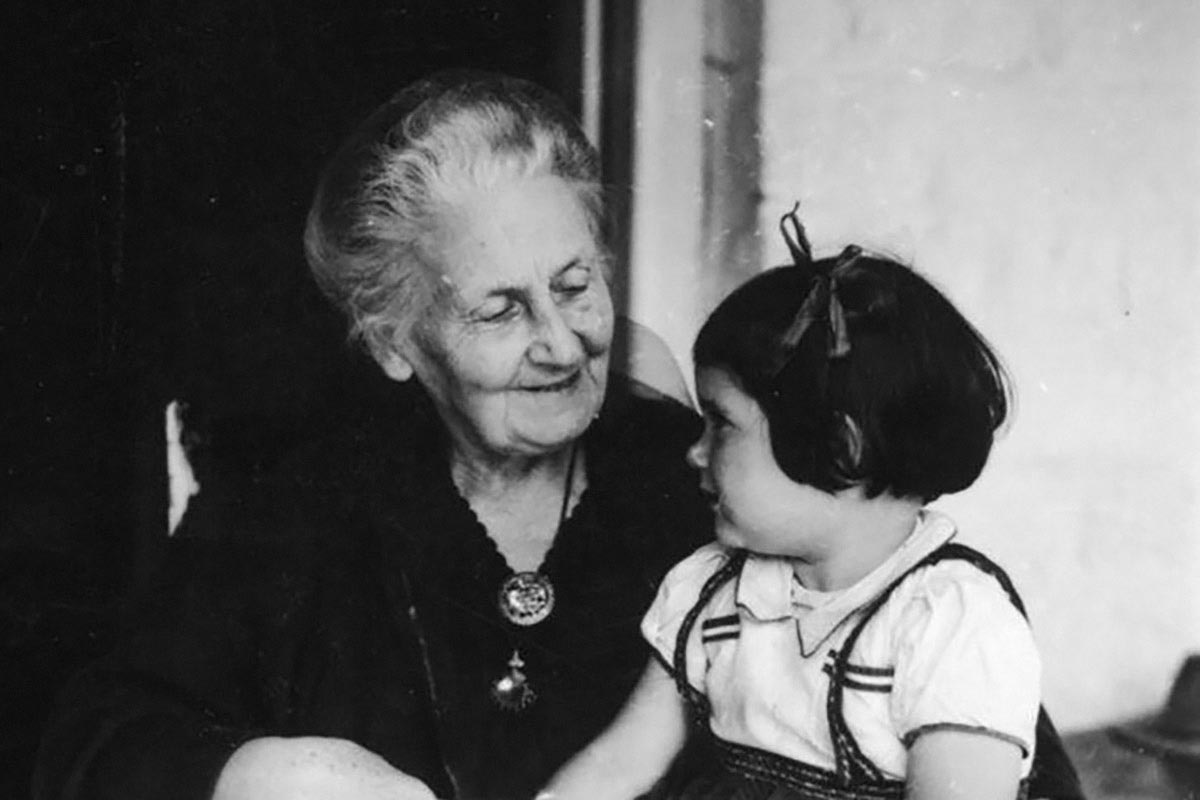
"It is through appropriate work and activities that the character of the child is transformed. Work influences his development in the same way that food revives the vigor of a starving man. We observe that a child occupied with matters that awaken his interest seems to blossom, to expand, evincing undreamed of character traits; his abilities give him great satisfaction, and he smiles with a sweet and joyous smile."

- Dr. Maria Montessori, MD

Our classrooms are inspired by the Montessori philosophy developed by Dr. Maria Montessori over a century ago and practiced worldwide today.
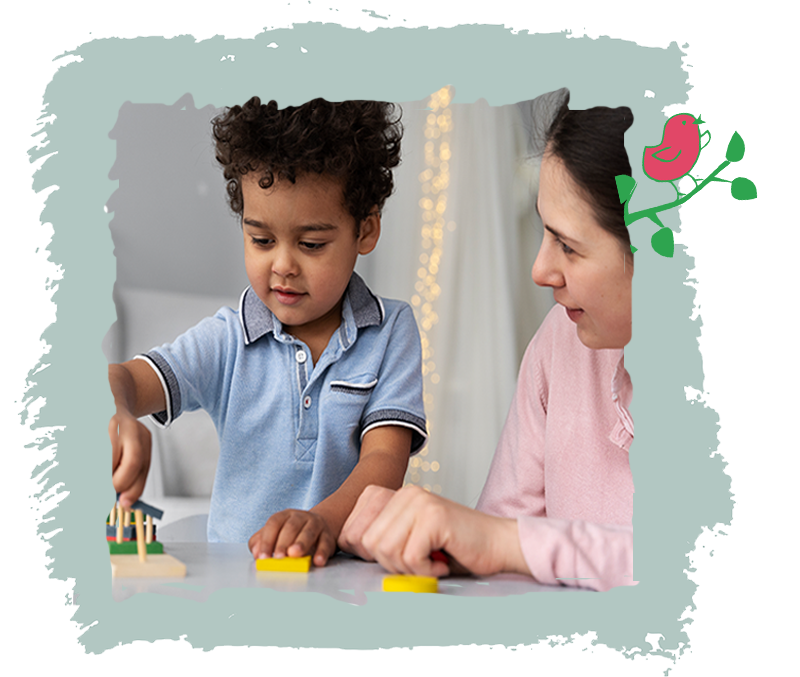
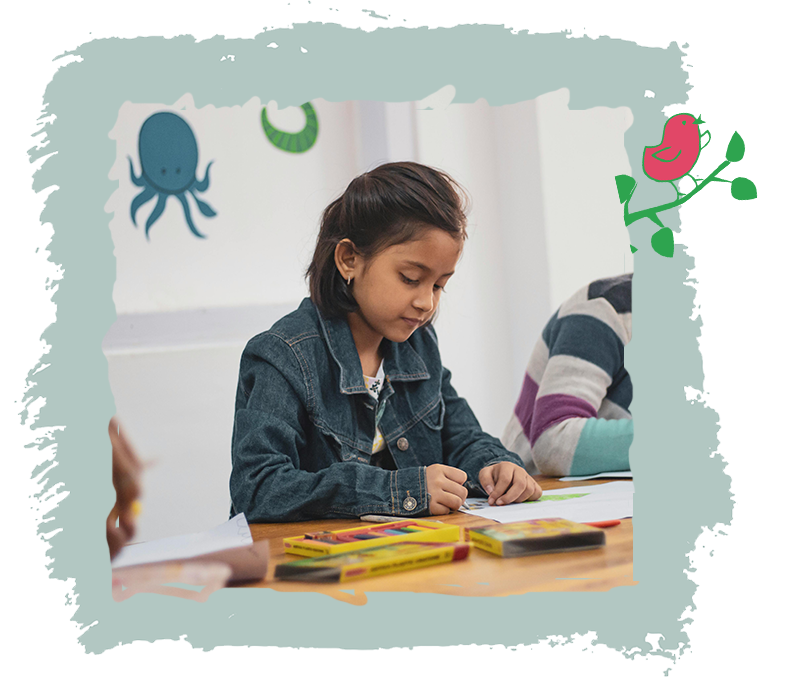
Unlike traditional or overstimulating learning spaces, a Montessori classroom is calm, orderly, and purposefully designed. Open shelves hold carefully chosen materials, inviting children to select their own work, engage deeply, and learn at their own pace.

Guided by attentive educators, children develop concentration, independence, self-discipline, and confidence. By respecting each child's natural development, the Montessori approach creates a powerful foundation for lifelong learning.

 Prepared Environment

A space designed to help children discover the world

In Montessori, the environment itself is a powerful teacher. Children gain real-world understanding by exploring, experimenting, and discovering concepts independently.

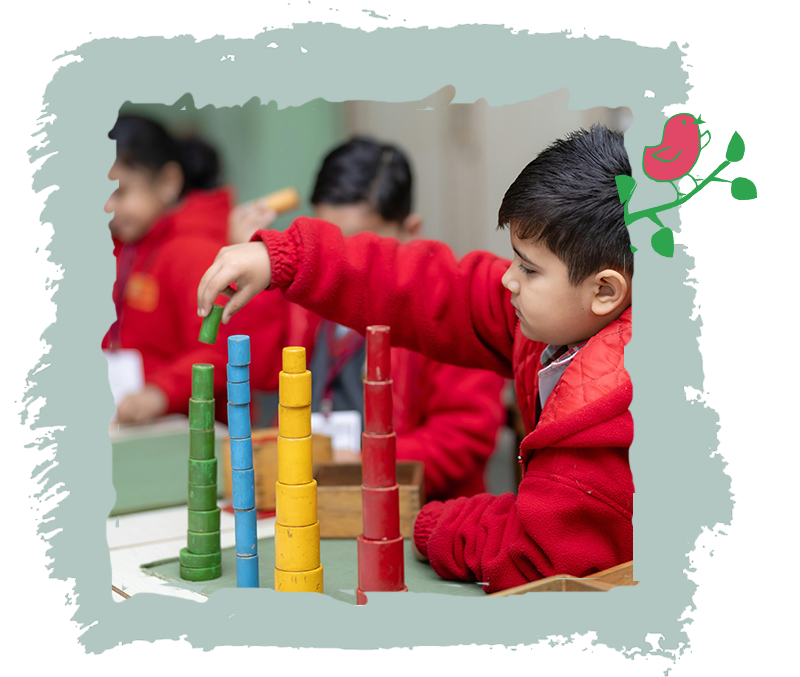
Our classrooms are thoughtfully designed, aesthetically calm, and carefully organized using scientifically developed Montessori materials. Each material has a clear purpose and is arranged in a logical sequence that supports a child's natural progression of learning. Research in child psychology continues to affirm what Dr. Maria Montessori discovered over a century ago - order, beauty, and structure deeply support learning and development.

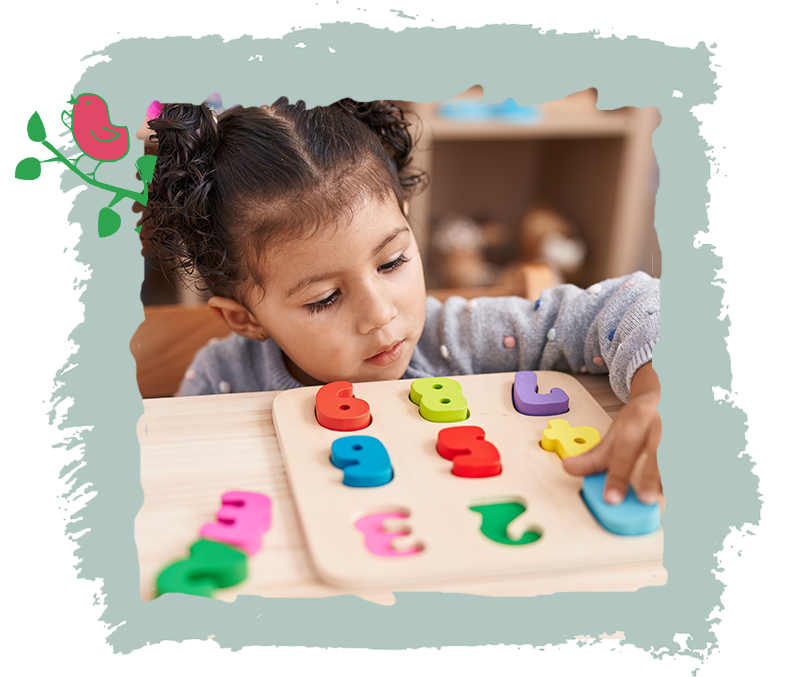
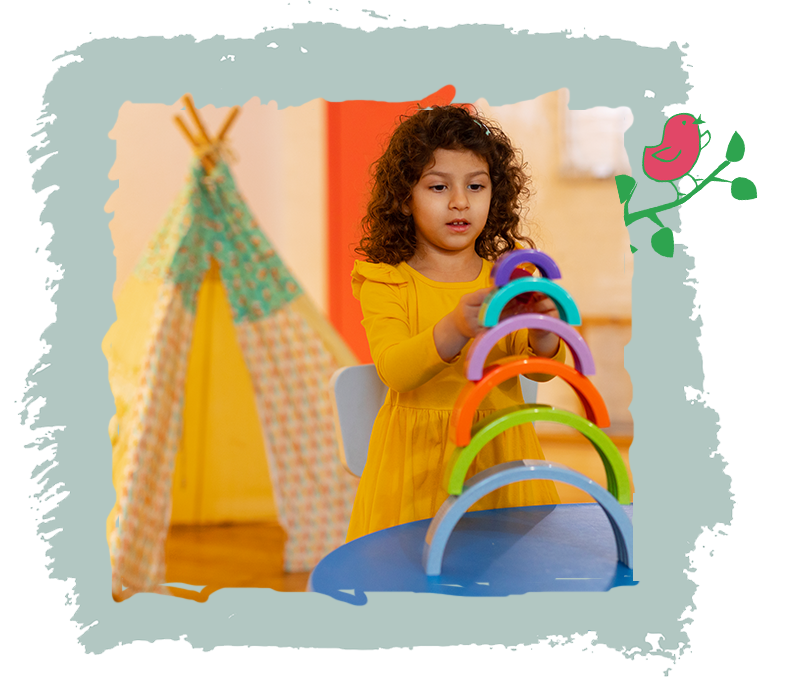
Classrooms are created with the child in mind: materials are easily accessible, natural elements like wood, metal, and fabric are preferred over plastic, and children are free to move and choose their work. Every detail - from placement of shelves to material selection - is intentional and focused on meeting the developmental needs of the children in that space.

 Role of the Educator

A guide, observer, and role model

In Montessori, the environment itself is a powerful teacher. Children gain real-world understanding by exploring, experimenting, and discovering concepts independently.

Our classrooms are thoughtfully designed, aesthetically calm, and carefully organized using scientifically developed Montessori materials. Each material has a clear purpose and is arranged in a logical sequence that supports a child's natural progression of learning. Research in child psychology continues to affirm what Dr. Maria Montessori discovered over a century ago - order, beauty, and structure deeply support learning and development.

Classrooms are created with the child in mind: materials are easily accessible, natural elements like wood, metal, and fabric are preferred over plastic, and children are free to move and choose their work. Every detail - from placement of shelves to material selection - is intentional and focused on meeting the developmental needs of the children in that space.
 Personalized Curriculum

Learning at an individual pace

While children across the world follow similar developmental patterns, each child is unique in how they learn, grow, and explore. Montessori education honors this individuality.

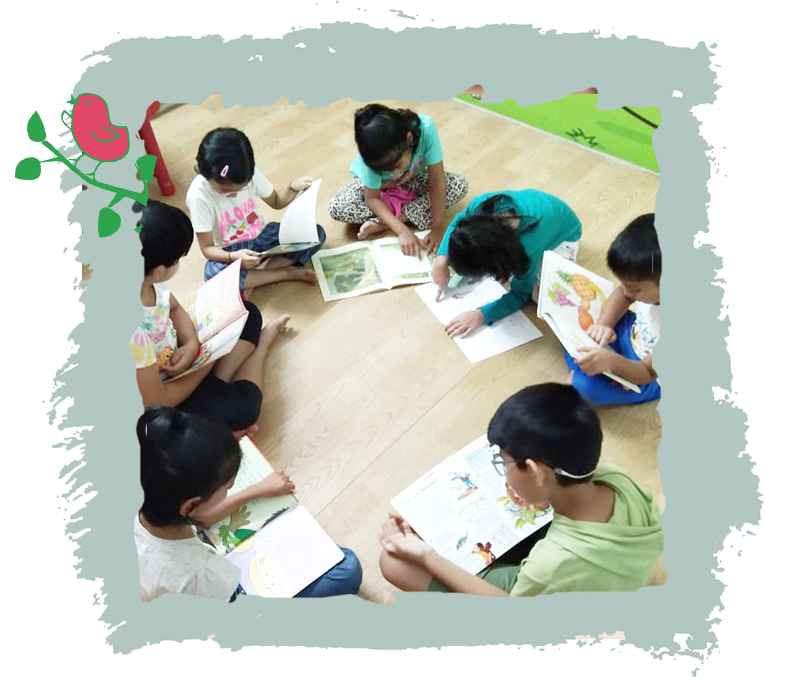
Children move through the curriculum at their own pace, choosing work that aligns with their interests and developmental readiness. At any given moment, children in the same classroom may be working on entirely different materials. They may work independently or collaborate in small groups, developing focus and cooperation naturally.

The educator supports this process by offering individualized lessons rather than following a rigid daily schedule, allowing each child to experience mastery before moving forward.

 Independence & Freedom Within Limits

Building responsibility and self-discipline

Montessori classrooms empower children to become independent, confident, and responsible individuals. From early childhood, children practice real-life skills such as dressing themselves, caring for their environment, preparing food, and managing personal needs.

Children are given freedom to choose their work, manage their time, and make decisions - all within clear, respectful boundaries. This balance helps children develop self-control, confidence, and accountability.

True discipline in Montessori comes from within. When children are trusted to choose meaningful work and are supported in concentrating deeply, self-discipline naturally emerges.

 Lateral Learning

Growing together in mixed-age communities

Montessori classrooms reflect real life by bringing together children of different ages within the same developmental stage. Children typically range from 2 to 6 years old, forming a strong learning community.

Younger children learn by observing older peers, while older children reinforce their understanding by mentoring and guiding others. This dynamic builds leadership, empathy, and confidence while eliminating unhealthy competition.

Mixed-age classrooms celebrate individual strengths and encourage collaboration, respect, and a growth mindset.

 Intrinsic Motivation

Nurturing a love for learning

Children are born with an innate desire to learn. Montessori education protects and nurtures this intrinsic motivation by removing external rewards and punishments.

Instead of praise, stars, or comparisons, children are encouraged to reflect on their own work and progress. Educators guide children through challenges with encouragement and thoughtful questions, helping them build confidence and resilience.

The focus remains on personal satisfaction, effort, and self-discovery - not external validation.

 Uninterrupted Three-Hour Work Cycle

Deep focus without pressure

Each day includes an uninterrupted three-hour work cycle, allowing children to fully engage in their chosen activities without being rushed or interrupted.

This extended period supports deep concentration, independence, coordination, and meaningful learning. During this time, the educator observes and documents each child's progress to thoughtfully plan future lessons based on individual needs.

This approach respects natural learning rhythms and supports long-term academic and emotional growth.

 Movement & Cognition

Learning through movement and hands-on experience

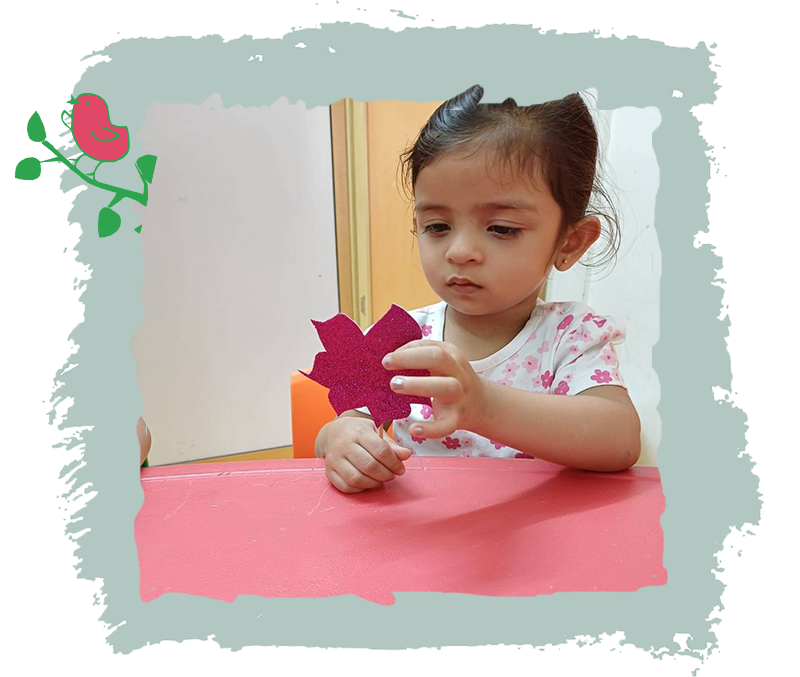
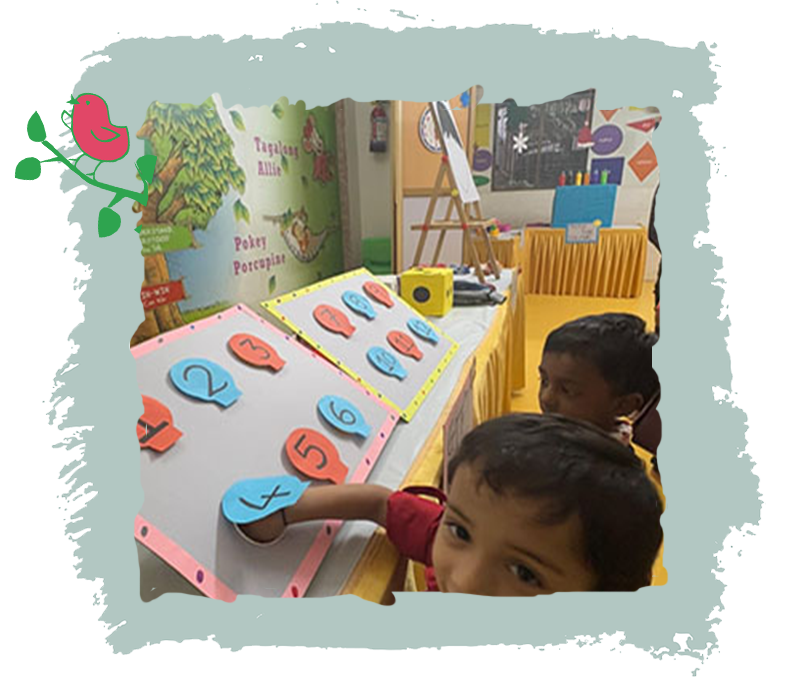
Montessori environments are designed to encourage purposeful movement. Children choose their materials, carry them to work spaces, and engage their hands throughout the learning process.

Montessori materials involve multiple steps and active manipulation, reinforcing the strong connection between movement and thinking. Children learn by doing - because cognition develops through physical interaction with the environment.

After all, young children are not meant to sit still and absorb information - they are meant to move, explore, and discover.