The most significant period of brain development occurs from birth to three years of age. During this time, children absorb information effortlessly and form the foundations for lifelong learning. Honouring this critical stage, we have thoughtfully designed an environment that nurtures each child's natural development and supports them in reaching their full potential in a calm, respectful, and harmonious way.
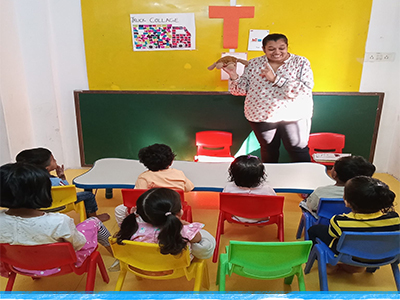
Our toddler classroom is a warm, respectful community where every child is valued. The environment is carefully prepared with child-sized furniture and age-appropriate materials that are accessible and inviting. Children are encouraged to choose activities that interest them, work with them for as long as they feel engaged, and take responsibility for returning materials when finished, with guidance when needed.
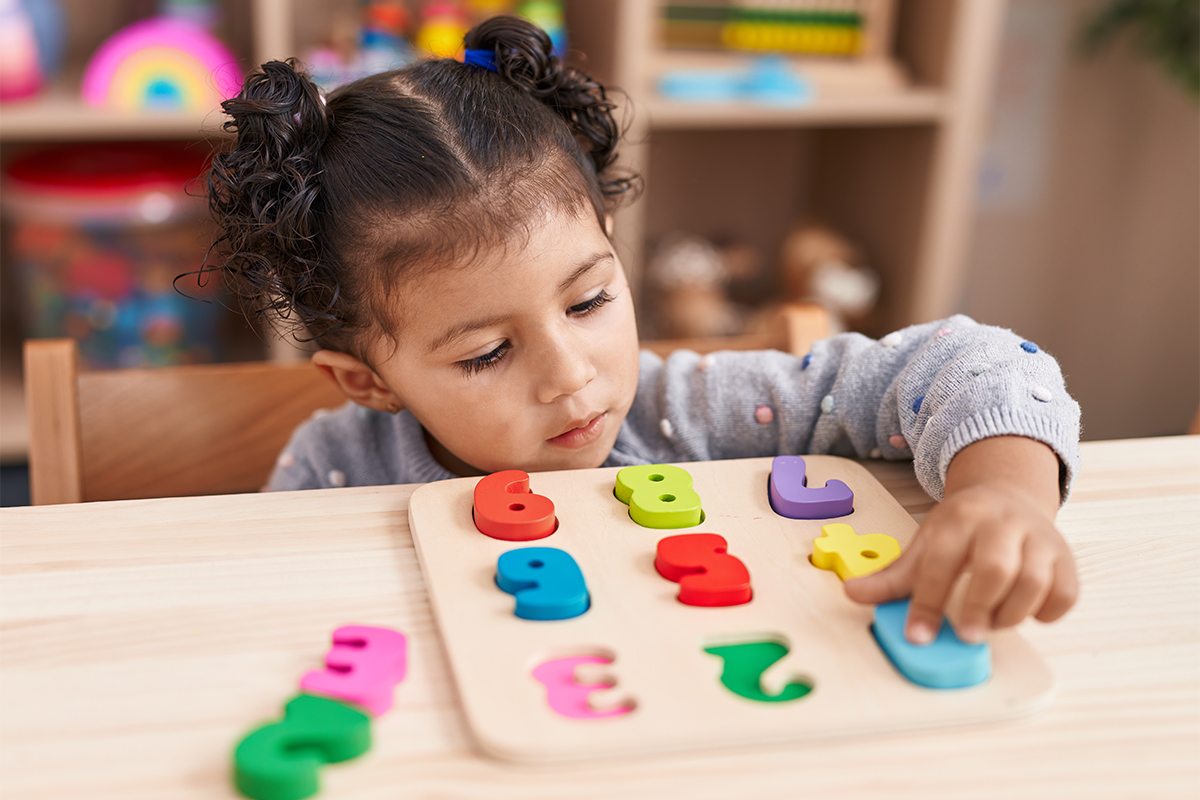
The materials are designed to promote focus, independence, and problem-solving. Through purposeful work, children experience a strong sense of accomplishment while developing fine and gross motor skills, concentration, confidence, and critical thinking.
The adults in our toddler environment are calm, consistent, and deeply respectful of the young child. Grounded in Montessori philosophy, they guide children through their actions, tone, and language, modelling kindness, patience, and care.
Rich, precise language is used throughout the day, exposing children to an extensive vocabulary and correct terminology. This early exposure supports strong language development and clear communication skills.
Adults also help toddlers develop positive social interactions through grace and courtesy practices. Based on careful daily observation, new materials and activities are introduced to meet each child's interests and developmental needs, sparking curiosity and a love for learning.
During this stage, children work toward key developmental goals, including language acquisition, concentration, problem-solving, visual discrimination, and physical coordination.
Self-care skills are gently supported, encouraging toilet awareness and growing independence in personal hygiene. Children also participate in caring for their environment, with opportunities to prepare food, serve snacks, eat independently, and clean up afterward. These meaningful tasks foster responsibility, independence, and coordination while allowing children to feel like contributing members of their community.

Toddlers are naturally driven to find their place within a social group. As Maria Montessori described, childhood is a time of adaptation. Early social experiences leave a lasting impression and play a significant role in shaping the adults children will become.
Our mixed-age environment supports this developmental need by encouraging cooperation, empathy, and social awareness. Through daily interactions, children practice grace and courtesy, learning how to communicate respectfully and build meaningful relationships.
Strong gross motor development is essential for building confidence, coordination, and body awareness. Toddlers are supported in reaching milestones such as walking, running, climbing, and jumping through carefully planned movement activities.
These experiences strengthen large muscle groups, enhance motor planning, and help children develop balance, confidence, and an understanding of their physical capabilities.
Toddlers are eager to engage in purposeful tasks that allow them to contribute to their environment. Practical life activities support the development of fine motor control and hand-eye coordination through actions such as grasping, pouring, transferring, and using tools like tongs or tweezers.
These movements strengthen the pincer grip and wrist rotation, which are essential foundations for future writing and academic skills.
Through practical life activities, children develop independence in caring for themselves and their surroundings. Self-care activities include handwashing, eating independently, communicating toileting needs, and beginning to dress themselves.
Care of the environment activities allow children to take pride in their classroom by dusting plants, cleaning tables after meals, and returning materials to their place. These tasks promote responsibility, coordination, and a sense of belonging.
Language development is a central focus during the toddler years. Throughout the day, adults provide clear, meaningful language connected to real experiences. When children are actively involved in an activity, vocabulary is more easily absorbed and understood.
By consistently modelling rich language and engaging children in conversation, stories, and books, we support strong communication skills and a growing love for language.